How De-Icing Salt Damages Lawns and How to Protect Your Grass: Lawn Care in Lee's Summit, MO
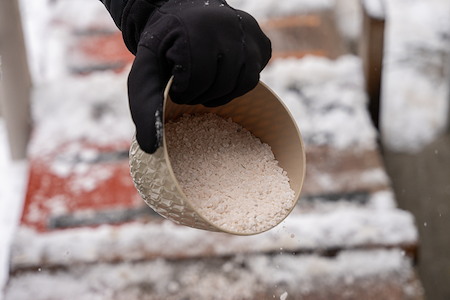
Missouri winters bring slick driveways and sidewalks, which means lots of de-icing products. When that meltwater drains off hard surfaces, the salt can burn the soil and thin the turf along pavement edges. That’s where professional lawn care makes a real difference by protecting your grass before, during, and after winter weather.
Why De-Icing Salt Hurts Turf In Winter
Most bagged “rock salt” is sodium chloride. When it dissolves, it creates a salty solution that pulls water out of plant roots, a stress known as osmotic pressure. Grass blades can appear water-starved even when the ground is wet because salt makes it harder for roots to absorb moisture.
Chloride ions can move into leaf tissue and scorch it, while excess sodium can disrupt how soil particles stick together. In clay-heavy areas around Lee’s Summit, that disruption can tighten the soil, reduce pore space, and limit oxygen for roots. The result is weak turf that struggles to recover in the spring.
What Salt Does To Soil Chemistry And Structure
Salt doesn’t just sit on top of the lawn. It can soak into the soil and alter the balance of key nutrients. High sodium competes with calcium and potassium, nudging soils toward poor structure and creating crusts that shed water instead of absorbing it. In some settings, alkalinity can drift upward, which changes how nutrients become available to grass.
- Elevated salt levels increase electrical conductivity, which stresses roots and slows growth.
- Excess sodium can displace calcium on soil particles, which breaks apart stable aggregates and reduces drainage.
- Chloride toxicity scorches leaf tips, often showing up first along sidewalks and driveways.
- Compacted, salt-affected soil invites weeds and bare spots as turf thins out.
Where Salt Injury Shows Up In Lee’s Summit, MO Yards
You’ll notice the worst damage where hard surfaces meet grass. That includes the strips along sidewalks in Downtown Lee’s Summit, driveway aprons in Raintree Lake and Lakewood, and median edges near busy roads. Sun and wind make it worse by drying leaves, while salt blocks the roots’ ability to drink.
Symptoms usually include straw-colored blades, crispy tips, and thin, patchy turf that follows the outline of the pavement. When spring arrives, these zones green up more slowly than the rest of the yard. If you see green grass farther from the concrete and brown close to it, salt is a likely culprit.
Safer Alternatives To Rock Salt Near Grass
Not all de-icers act the same around turf. Some are friendlier to soil structure and less likely to scorch blades. When a pro plans winter care near your lawn, the product choice matters as much as the timing and the amount.
Calcium magnesium acetate, often called CMA, is a leading option for grass-adjacent areas. It works by preventing ice from bonding to concrete rather than flooding the area with sodium and chloride. Magnesium chloride and calcium chloride are also less harsh than rock salt at typical use rates, and they work in colder weather. Blended products based on acetates or chlorides can be selected by a lawn specialist who understands the traffic, slope, and runoff patterns around your property.
Skip rock salt near turf when you can, especially in narrow strips where grass has nowhere to escape the runoff. In high-traffic zones, traction aids like grit or sand can be part of a professional plan, but they must be managed so they don’t clog drains or smother the grass when the thaw comes.
Smart Ways To Protect Your Lawn Before And After Storms
Protection starts with planning. A local team that knows Lee’s Summit soils looks at where snow piles will sit, how water flows when temperatures swing, and which edges are most exposed. The goal is to reduce salt contact with turf and keep the root zone healthy through freeze-thaw cycles.
- Edge analysis: Pros map the worst-hit strips along sidewalks and drives, then adjust where snow is placed to avoid repeated soaking of the same turf.
- Product selection: CMA and other lawn-friendlier formulas can be targeted to grass-side pavement, with stronger ice-melters reserved for distant hardscapes.
- Spring transition: Soil testing and corrective treatments help turf rebound quickly once consistent thaw sets in.
Avoid piling salted snow directly onto your lawn. Concentrated meltwater pools in low spots, which can push salt deeper into the root zone and set back spring growth. A pro can redirect snow and water flow so edges recover faster.
Spring Recovery Plan After A Salty Winter
Even with careful winter choices, some areas may need help when temperatures rise. That’s where a structured recovery plan saves the season. The objective is to dilute salts, rebuild soil structure, and thicken turf cover along pavement edges so summer heat doesn’t finish the damage.
A typical professional approach includes a soil test to check salinity and nutrient balance, followed by targeted remediation. If sodium is high, a calcium source can help displace it from soil particles, after which water can carry it out of the root zone under controlled conditions. Organic matter additions and light topdressing encourage better structure and microbial life. Overseeding with region-appropriate grasses thickens the stand so weeds do not move into bare strips.
Don’t ignore thin edges after winter. Bare lines along your driveway and sidewalk invite heat, weeds, and erosion all summer. Addressing those edges early protects the rest of the lawn and keeps the yard looking even from curb to porch.
When you’re ready to bring those edges back to life, schedule a visit for comprehensive lawn care that focuses on soil-first recovery and resilient turf density.
How Salt, Traffic, And Weather Interact On Your Property
Salt is only one part of the stress mix. Foot traffic compacts wet soils along walkways. Sunlight reflects off the concrete, warming and drying the edge faster than the center of the lawn. In neighborhoods like Winterset and near Unity Village, open exposures can add wind that strips moisture from blades right when salt makes water uptake more difficult.
Because every yard is different, a site visit matters. Slope, downspouts, and even the age of the pavement change how and where meltwater flows. A lawn specialist can read those patterns and choose the right combination of de-icer, snow placement, and spring rehab to protect your investment.
What This Means For Curb Appeal And Property Value
The first thing guests and buyers see is the edge. Brown lines along the walk or driveway pull the eye and make the whole lawn feel tired. Healthy turf at the boundary frames the rest of the yard, which lifts the look of landscaping and hardscape.
Working with a team that understands lawn care in Lee’s Summit keeps the focus on year-round appearance and long-term soil health. The payoff is an even green color, fewer thin patches, and stronger roots that tolerate summer heat once winter is in the rearview.
Choose products and plans that protect soil structure. Healthier soil means better drainage, more consistent color, and fewer weed problems at the edge where stress is highest.
Choose A Local Team That Understands Missouri Soils
Clay-rich soils, quick thaws, and those late-season surprise storms make salt management a real science in our area. Choice Lawns LLC treats winter as part of your annual lawn plan, not an afterthought. We’ll evaluate edge zones, select lawn-friendlier de-icers near turf, and build a spring recovery path that brings back a thick, even stand of grass.
Ready to protect your lawn’s edges and recover faster this spring? Call Choice Lawns LLC at 660-441-4965 or request a visit for targeted lawn care that keeps salt from stealing your curb appeal.
Need Lawn Care or Landscaping In Lee’s Summit? Let’s Choice Lawns Be Your First Choice!