Spring Lawn Aeration: Does Your Lee’s Summit Yard Need It?
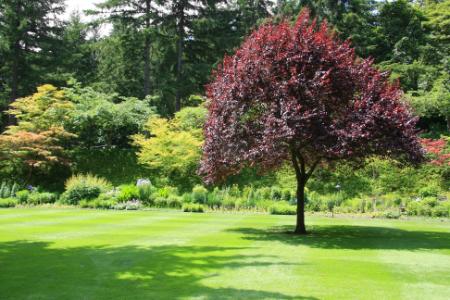
After a long winter in Lee’s Summit, your yard can feel tight and tired. Freeze and thaw cycles, holiday gatherings, and everyday foot traffic squeeze the soil until roots can barely breathe. That is where spring lawn aeration comes in. By opening the soil and letting air, water, and nutrients move again, your grass gains a healthier foundation for the growing season. If your turf looks thin or slow to green up, a targeted visit from our core aeration team can set it up for a stronger spring.
What Winter Leaves Behind In Lee’s Summit Lawns
Our area’s soils often include a good amount of clay. When winter brings freezing nights and milder days, the soil expands and contracts. That churning, plus people, pets, and equipment on dormant turf, pushes particles tightly together. The tiny gaps that should carry air and water start to close. In early spring, you might notice rain sitting on the surface a little longer, or mower tracks that linger. Those are classic signs of compaction.
Compaction is not only about puddles. Roots need open pathways to reach deeper moisture and nutrients. In compacted soil, roots grow shallow and weak. Shallow roots struggle during dry, windy days, which are common across Jackson and Cass counties in spring. The result is grass that fades sooner between waterings and has a hard time thickening up.
How Core Aeration Helps Your Yard Breathe
Core aeration uses a machine that pulls small plugs from the turf and sets them on the surface to break down naturally. Those openings act like vents through the root zone. Water can soak in instead of running off. Oxygen reaches roots. Fertilizer can travel where it is needed. Over time, earthworms and microbes take over and rebuild a looser, more active soil structure.
In practical terms, that means stronger shoots and thicker, more resilient turf. It also means fewer muddy spots after big spring rains and less chance of moss forming in shaded, compacted corners. For many Lee’s Summit homeowners, compaction is the root problem that keeps lawns from looking full and even. Solving the compaction first makes every other lawn treatment work better.
Signs Your Lee’s Summit Yard Is Begging For Aeration
You do not have to guess. If you see one or more of these, your lawn is likely compacted and ready for professional attention this spring:
- Water beads up or runs off instead of soaking in after a normal rain.
- Thin or patchy grass along footpaths, gates, mailboxes, and pet routes.
- Spongy thatch and soft surface on top, yet hard soil just below.
- Shallow roots that pull up easily when gently tugged.
- Slow spring green-up in full sun, especially on newer lots with construction traffic history.
These patterns show up across Lee’s Summit, including Lakewood, Winterset, Raintree Lake, and along busy corner lots near schools and parks. Yards with active kids, dogs, and frequent entertaining feel the squeeze first.
When Spring Aeration Makes Sense In Missouri
Most Lee’s Summit lawns are tall fescue or a fescue and Kentucky bluegrass blend, both cool-season grasses that wake up in early spring. Aeration during this period supports new root growth while temperatures are still moderate. It helps lawns recover from winter stress before the hotter months arrive. The timing also pairs well with professional fertilization plans focused on early root building.
There are times when your lawn may benefit from waiting until fall, such as after major summer stress or when a full overseeding is the top goal. That is why an on-site evaluation matters. Choosing the right window protects your lawn’s momentum and gives you the best return from service.
What To Expect From Professional Aeration In Lee’s Summit
Aeration is not just about running a machine across the yard. A trained team inspects the site, notes compacted traffic lanes, and plans coverage so the most stressed areas receive the attention they need. Sprinkler heads and landscape lighting are located and marked for safety. Then a commercial core aerator pulls consistent plugs across the lawn, opening channels that reach into the root zone. The cores are left on the surface to break down and recycle organic matter back into the soil.
After service, your lawn begins using water and nutrients more efficiently. Shallow roots start to explore deeper layers. Over the next few weeks, the turf gains density as shoots fill in. Aeration helps fertilizer dollars go farther, which is one reason so many homeowners include it in spring programs. If you are comparing providers for lawn aeration in Lee’s Summit, MO, Choice Lawns LLC is ready to help you choose the best seasonal plan for your goals.
Aeration And Overseeding: Do They Go Together In Spring?
Aeration and overseeding often go hand in hand, and the openings created by cores can improve seed-to-soil contact. For many cool-season lawns in our area, a full overseeding push is strongest in early fall. In spring, the decision depends on your turf’s current density, shade, and weed control plan. Our team can assess whether light overseeding now supports your long-term goals or if your lawn benefits more from a focused aeration and nutrition approach first. If you want a single stop for both services, explore our aeration and overseeding details to see how they work together across the year.
Better Results From Fertilizer And Water After Aeration
Think of aeration as opening the doors to your soil’s living room. Everything good gets in easier, and everything struggling can finally move. After cores are pulled, nutrients do not sit on top or wash away as quickly. Water reaches deeper, which encourages roots to follow. The result is turf that handles wind and temperature swings with less stress.
- Stronger root systems that anchor turf and reach deeper moisture.
- Better fertilizer absorption for steady color and growth.
- Improved drainage and fewer puddles after typical spring storms.
- More even turf density in high-traffic zones over time.
In neighborhoods with heavy clay and newer construction, compacted subsoils can make even healthy turf act thirsty. Aeration opens those pathways so your irrigation and rainfall work harder for you. Solving the soil first is the fastest way to unlock the lawn you want.
Neighborhood Snapshot: Where We See Compaction Most
Compaction shows up everywhere, but certain spots have a head start. Newer subdivisions near Longview and around Raintree Lake may have lingering compaction from heavy equipment. Lakewood and Winterset properties often see worn paths along backyard gates and play areas. Downtown Lee’s Summit homes with mature trees can have shaded corners where soil stays tight and damp. We also help nearby homeowners in Greenwood, Raymore, and Blue Springs who face similar patterns across Missouri’s clay-rich soils.
Each yard is different. Sun, shade, pets, and family routines all play a role. That is why a quick walk-through with a lawn specialist is so helpful. We look for compaction patterns, drainage, and traffic lanes, then build a plan that supports your turf’s health through spring and beyond.
Your Next Step For A Healthier, Thicker Lawn
If your grass feels stuck this spring, it likely needs air and room to grow. Schedule professional service with Choice Lawns LLC and let our local team open the soil so roots can thrive. To get started in Lee's Summit, call 660-441-4965 or request a time for spring core aeration. We will evaluate your yard, explain the best timing for your turf type, and prepare a plan that sets your lawn up for stronger color and better resilience across the season.
Need Lawn Care or Landscaping In Lee’s Summit? Let’s Choice Lawns Be Your First Choice!